beauty
3 Step Program for Smoother and Firmer Skin
More than 90 per cent of all women are reported to have cellulite. The good news is that by living a balanced lifestyle and following a comprehensive skin care program, the appearance of cellulite can be significantly improved.
What is cellulite?
Cellulite is a non-medical term used to describe the fat deposits under the skin that are characterised by a dimpled or orange-peel effect. The skin is connected by strands of fibrous tissue to deeper tissue layers and compartments that contain fat cells. When fat cells increase in size, these compartments bulge and create the dimpled appearance on the skin, especially around the hips, buttocks and thighs. It is thought that genetics, hormones, lack of exercise, an unbalanced diet, pregnancy and ageing, can all contribute to the cellulite problem. More than 80% of women have cellulite – often called “orange peel skin” for its dimply texture – regardless of their weight or physique. Whether slim or overweight, nearly everyone is affected.
There is no miracle cure for firm skin. You can positively influence the appearance of your skin through holistic care, exercise, and a balanced diet.
What causes cellulite?
In women, the connective tissue that surrounds the warming and protective fat cells of the subcutis is naturally softer and looser than in men. Hormones like oestrogens promote the elasticity of the connective tissue, which helps the skin adapt to changes such as pregnancy or during hormonal fluctuatioons such as mestruation, menopause or through the influence of the pill. In such cases, water retention can intensify the presence of cellulite. There is a also a genetic predisposition for cellulite. Whether dimples appear on our thighs, hips or arms can be inherited. But an active daily routine with specific exercises can lead to more firm connective tissue.
What role do hormones play?
Estrogens promote the elasticity of connective tissue and influence the accumulation of fat cells. When hormone levels change, for example during puberty, pregnancy, or menopause, it can lead to more water retention in the body, which also increases the tendency to cellulite. This can also occur in connection with the menstrual period or taking the pill.
What is the difference between Cellulite, Cellulitis and Lipedema?
Cellulite, also known as orange peel skin, is a skin change where fat cells push through the connective tissue and create a dimpled structure on the skin surface.
Cellulitis, on the other hand, is a bacterial inflammation of the subcutaneous tissue that can be caused by an infection and is accompanied by redness, swelling, and pain.
Lipedema is a chronic fat distribution disorder that mainly occurs in women and is characterised by a symmetrical fat accumulation on the legs and arms, often associated with pain and swelling.
Cellulite is recognised by the typical dimpled skin structure, while cellulitis is noticeable by inflammatory symptoms such as redness and pain. Lipedema is characterised by disproportionate fat distribution and pressure sensitivity. A doctor's visit is advisable if cellulitis or lipedema is suspected, as these conditions require medical treatment. Cellulite is usually a cosmetic problem and does not require medical treatment.
What can I do to reduce cellulite?
No anti-cellulite cream works by application alone. The greatest success can be achieved by a holistic approach: a balanced diet, ample exercise, soothing massages and natural skincare products that include the active ingredients of the birch tree, for example.
- Massage and body care can help to stimulate circulation and metabolism to to flush out harmful deposits from our body.
- Physical exercise combats cellulite by stimulating blood circulation and fat burning. When it comes to exercise, aim for regular and sustainable physical activities. Never miss an opportunity to walk rather than take the car or elevator. Well-trained muscles in your legs and bottom make your skin tissues firmer.
- Eating the right food can help your skin to become firmer. Really this comes down to making sure you consume a well-balanced diet, with a focus on fresh fruit and vegetables from organic or biodynamic sources and unprocessed foods. Your body’s acid-alkaline balance is also important as it plays a key role in the functioning of your connective tissue. Remember to eat foods rich in capillary strengthening antioxidants such as berries, cherries and grapes. If your capillaries are strong your blood can flow freely to the fat cells and reduce cellulite forming.
- Drinking ample fluids is part of a healthy diet. It’s best to drink two to three litres of water containing minerals and trace elements every day. Not only does this refreshment serve to quench our thirst, it also helps to flush out harmful deposits from our body. Liquid food supplement containing birch leaf extract can support this process.
Your three-step program to smoother skin
Step 1: Skincare Routine
Gently exfoliate and massage your skin
Exfoliate
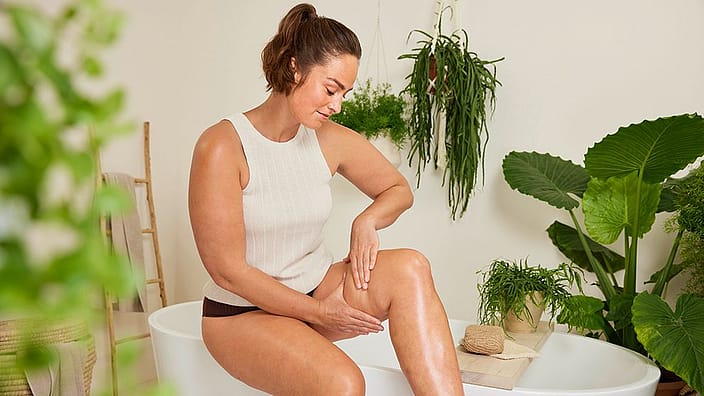
Be cautious of harsh exfoliants which can disturb the skins regeneration rhythm and damage its protective barrier. Birch Body Scrub stimulates circulation and eliminates toxins via the skin, gently massaging away only dead skin cells. When used regularly it may help to reduce the signs of cellulite, leaving your skin feeling silky, cleansed and ready to receive oils and lotions. Birch Body Scrub contains organic birch and beeswax, carnauba wax and castor-oil plant wax which create soft wax pearls; to detoxify the skin and support the skins regenerative process.
Massage
Massaging with Birch Cellulite Oil can help to smooth skin and reduce the appearance of cellulite. Birch is well known for its purifying and detoxifying effects, the plant encourages metabolic activity and the excretion of fluids. In fact, results from an independent trial conducted by a team of German dermatologists showed that Weleda Birch Cellulite Oil can effectively improve the skins texture, elasticity and smoothness after just 28 days1. This oil also contains organic rosemary leaves, to stimulate circulation and metabolism; organic ruscus (butchers broom) traditionally used for its anti-inflammatory and diuretic effects; apricot kernel oil, as a rich source of fatty acids; wheatgerm oil for its soothing vitamin E; and jojoba oil to nourish and keep skin smooth and supple.
Step 2: Healthy Nutrition for Beautiful Skin
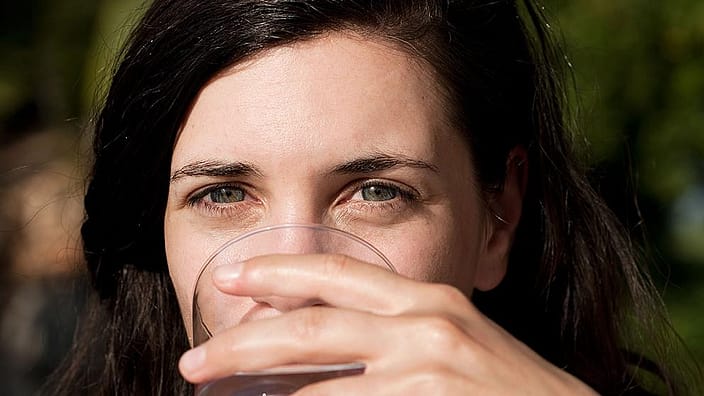
Wholefoods and plenty of water
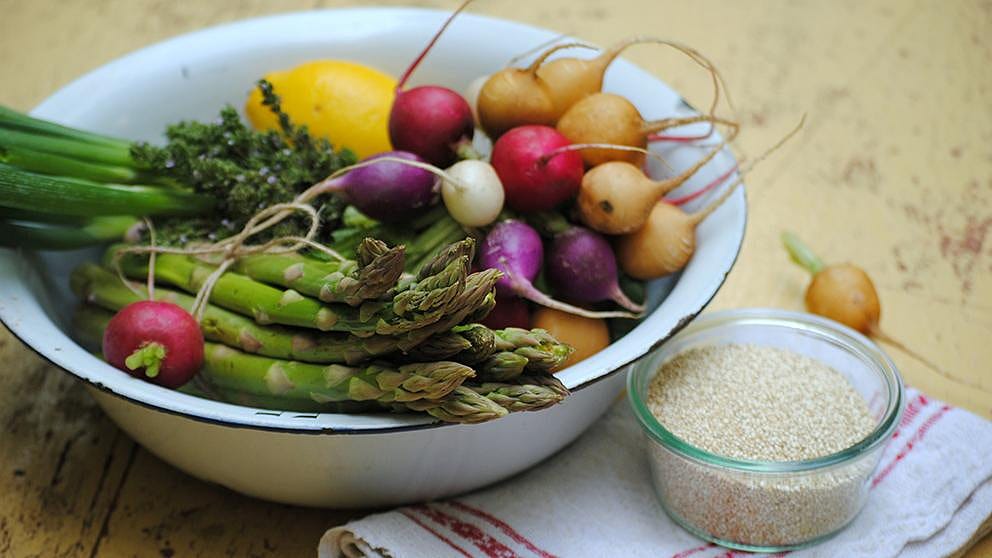
A balanced, healthy lifestyle can help support firmer, healthier-looking skin from the inside out. Diet plays an important role in overall wellbeing, physical performance and skin appearance, while a diet high in sugar and heavily processed foods may contribute to fat deposits and the appearance of cellulite where connective tissue is weakened. Focusing on natural, nutrient-rich foods such as fresh fruit and vegetables, wholegrains, lean proteins and healthy hydration may help support skin health and circulation. Drinking plenty of water throughout the day is also important for maintaining the body’s natural balance.
Traditionally associated with vitality and renewal, birch has long been valued for its revitalising properties. In spring, birch trees transport nutrient-rich sap through their branches and leaves, which contain naturally occurring flavonoids, saponins and tannins. Birch leaf tea has traditionally been enjoyed as part of cleansing and wellness rituals and can be prepared by steeping dried birch leaves in hot water with lemon, honey, ginger or mint for a refreshing herbal drink.
Step 3: Regular exercise for firm skin

Activate your metabolism
Not peak performance or competitive sports, but gentle and regular activities keep us healthy and agile. To burn body fat, you should move continuously for at least 45 minutes, as the body mainly taps into carbohydrate reserves during the first 30 minutes and does not draw energy from its fat deposits. Physical activity gets your metabolism going and may help improve the appearance of cellulite.
- Walk! Avoid using the bus or train as much as possible or get off one stop earlier. Fast walking, which is more intense than strolling.
- Don't skip any stairs! Climbing stairs trains leg and gluteal muscles and tightens connective tissue.
- Get out into nature! Walks in nature relax the body and mind and provide more movement.
- Gymnastics and targeted exercises against cellulite strengthen the joints, stimulate circulation, and build muscles. This, in turn, increases your body's energy expenditure and burns calories.
- Running with a constant rhythm, suitable for those who have more endurance.
- Gentle movement in the water such as swimming and aqua aerobics. Plus, the water pressure acts like an activating lymphatic drainage due to its resistance.


1 (Source: Results from 20 women, as compared to the initial skin condition, DC Derma Consult GmbH 10/2003)