The Role of Glycerine in Skincare
What is Glycerine, and How Does It Benefit Your Skin?
Glycerine is a natural building block of fats and oils, and it occurs naturally in the skin as a moisturising factor. This plant-derived ingredient absorbs and releases water, making it a valuable moisturiser in skincare. It improves the application of emulsions, smooths the skin, and provides a protective effect. At Weleda, we use only phyto-glycerine derived from pure, plant-based oils.
What is Glycerine?
Glycerine, also called as glycerin or glycerol, comes from the Greek word “glycerós”, meaning "sweet". It is a sugar alcohol naturally found in fats and fatty oils. While chemists may refer to it as glycerol (because alcohols often end in “-ol”), the substance remains the same.
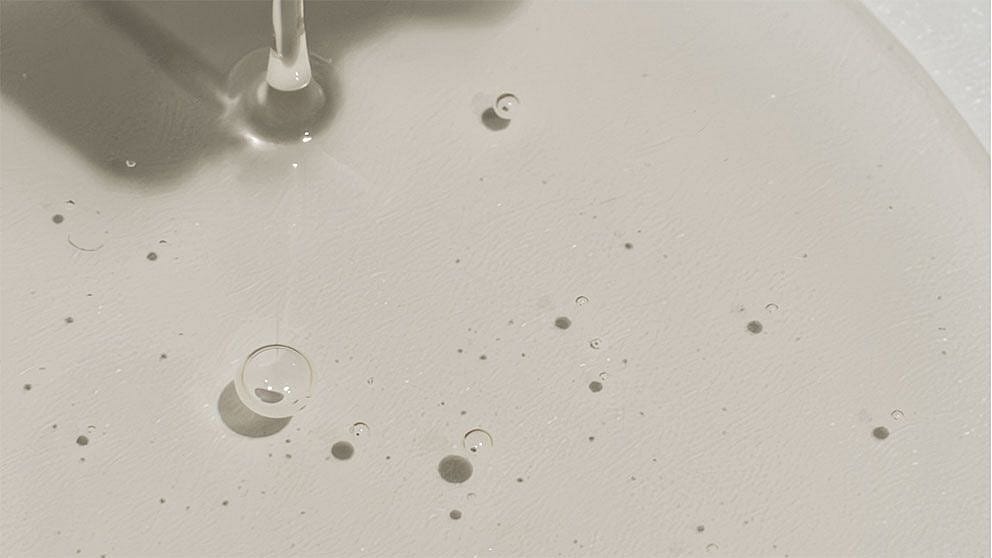
This clear, viscous liquid is water-soluble and blends easily with other alcohols. Naturally present in the skin’s acid mantle, glycerine binds and retains moisture, helping to reduce water loss on the skin’s surface. Its excellent tolerability makes it a popular ingredient in skincare, particularly in creams, lotions, and serums – including Weleda’s natural products. Suitable for all skin types, glycerine hydrates not only the skin but also hair, which is why it’s widely used shampoos and conditioners.
How Glycerine Effects the Skin
Glycerine plays a key role as an active ingredient in skincare, penetrating deeply into the epidermis to hydrate and strengthen the skin’s protective barrier. It is typically well-tolerated, even by sensitive skin.
This versatile ingredient offers benefits for a wide range of skin concerns.
- Dry skin is often accompanied by tightness, redness, and itching. Glycerine provides essential hydration, helping to soothes irritation.
- Glycerine can help improve the appearance of blemish-prone skin. It nourishes the skin without clogging the pores, making it a valuable ingredient for managing spots and acne.
- In anti-aging skincare, glycerine’s hydrating properties help reduce the appearance of fine lines and wrinkles, leaving the skin looking fresh and revitalised.
- For skin affected by atopic dermatitis, glycerine enhances moisture retention and strengthens the skin barrier. It is also suitable for the care of skin with rosacea and psoriasis.
Why Concentration Matters
Glycerine is a hygroscopic substance, meaning it attracts and binds water. This unique property allows it to release moisture back into the skin when needed, especially if the skin contains less water.
However, at concentrations above 15–20 %, glycerine can sometimes irritate the skin or cause dryness. This happens because glycerine’s ability to attract water may pull moisture from the deeper layers of the skin if the surrounding environment or skincare products do not provide adequate hydration. At lower concentrations of 3–5 %, glycerine offers purely nourishing and moisturising benefits.
How is Glycerine Obtained?
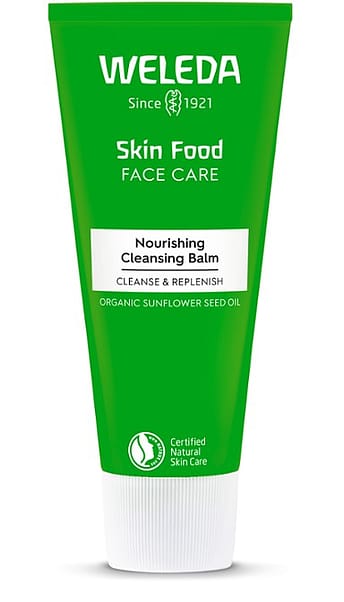
Weleda uses plant-based glycerine in our moisturising natural skincare, such as Skin Food Nourishing Cleansing Balm & Mask. Derived from pure plant oils, our phyto-glycerine is created through the saponification process, where triglycerides – compounds of glycerine and three fatty acids – are split into their components.
While glycerine can also be produced from synthetic materials like mineral oil or biotechnologically using yeasts, Weleda has always exclusively used plant-based glycerine.
Regardless of its how it is obtained, glycerine is chemically identical. Pure glycerine is a slightly viscous, colourless, and odourless liquid. It is non-toxic and has a sweet taste, as its Greek name suggests.