Why touch and closeness are important for babies
Skin contact strengthens parent-child bonding
Holding your baby in your arms for the first time is a precious moment. This skin contact has an immediate positive effect on bonding between parents and their newborn. Cuddling, loving touch and close physical contact give babies a sense of security.
The bonding phase after birth
If all goes well during the birth, a newborn can be placed belly down on the mother’s or father’s bare chest. This first skin-to-skin contact supports emotional bonding between parent and child. This skin contact is important, because it triggers the release of hormones that foster a close bond and a loving relationship. This bonding process in the first few days helps parents to learn their baby’s signals and to recognise her needs. This, in turn, helps the baby to develop a healthy sense of basic trust. An intensive bond can also be forged despite initial obstacles. If children need special care due to a difficult birth or illness which prevent immediate bonding with the parents, there are ways to make up for this.
Skin-to-skin contact conveys a sense of security
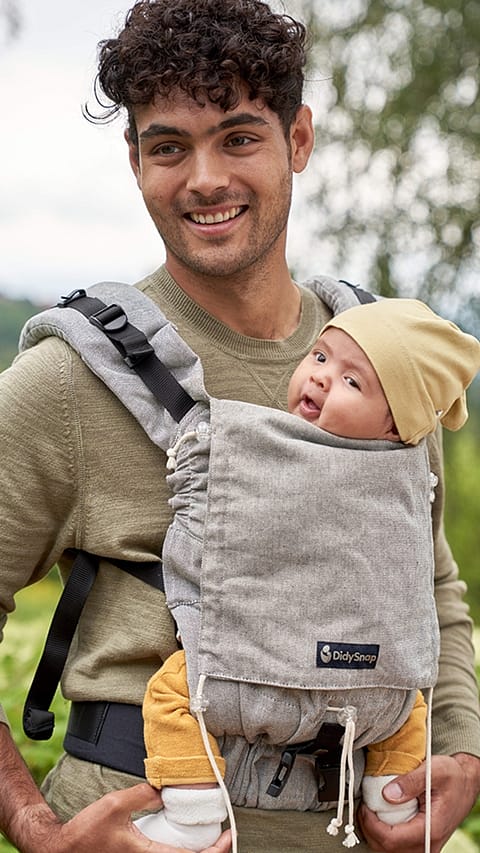
The most important feeling for newborns is the closeness of loving caregivers: feeling close for a baby means feeling safe. Babies sense when their signals are being perceived and responded to with attention, so they know they aren’t in danger. Conveying a sense of security is an essential element in caring for a baby’s well-being, especially in the first months. Above all, this sense of protection is expressed through physical closeness: wrapped in the arms of the mother or father, snuggling up against them in bed or enclosed by a sling or baby carrier, the baby feels safe and secure. This close body contact is also warming. Especially in the beginning, babies have a hard time regulating their body temperature. Close physical contact can support them in this.
The need for touch and closeness
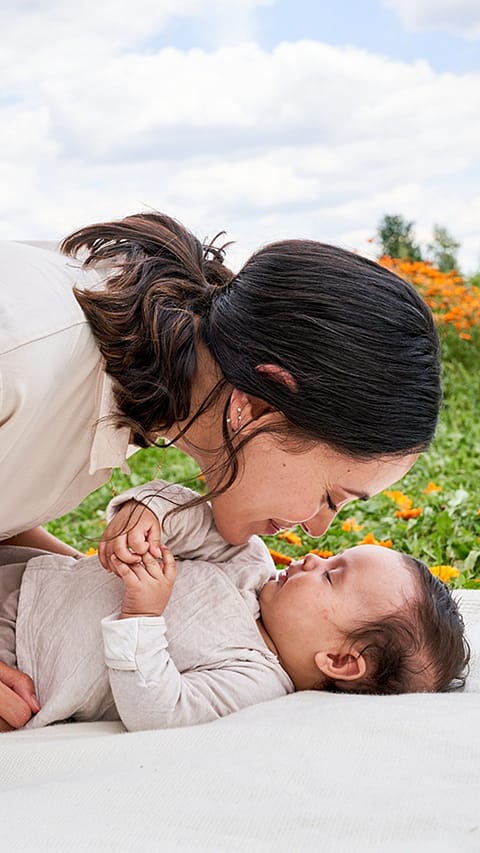
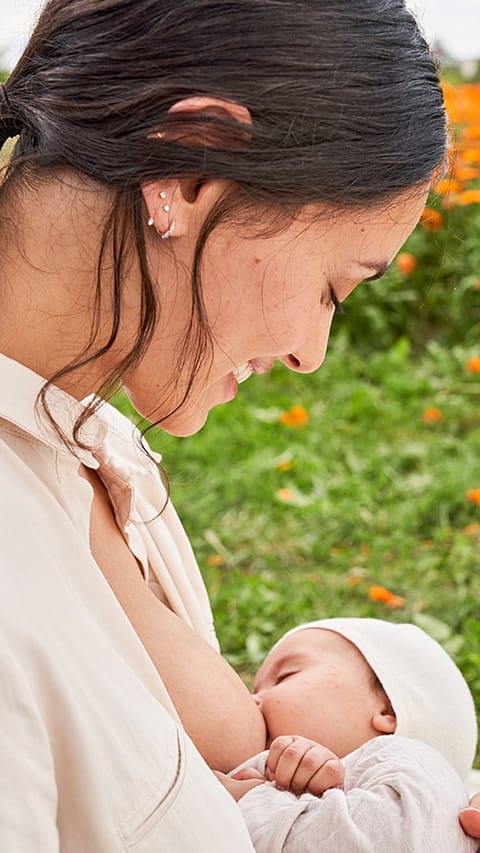
People need touch for healthy emotional development. Touch is our first language in life and plays an essential role. In the womb, children have sensations of touch. Then during birth, they experience physical contact and are physically embraced by hands for the first time. In addition to breastfeeding and being carried and cuddled, babies experience touch especially intensively during their daily baby care routine, when they feel direct skin contact.
Mindful care can be incorporated into a baby’s daily routine from the very beginning. For instance, parents can establish skincare rituals that nourish both the body and emotional bonding: baby massage offers exactly this. Through massage, parents learn to gently care for, touch and communicate with their baby, recognising and responding to their child’s signals.

The bonding hormone oxytocin
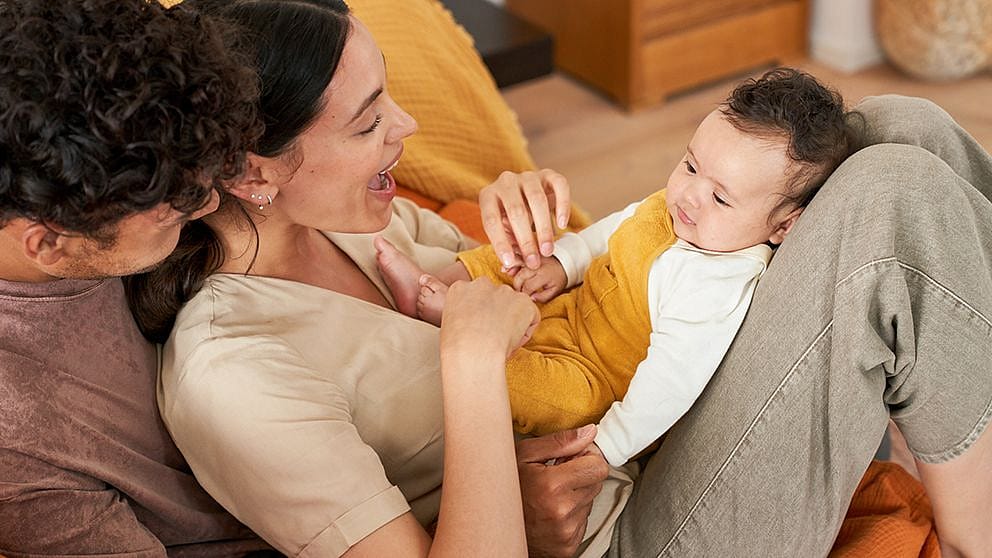
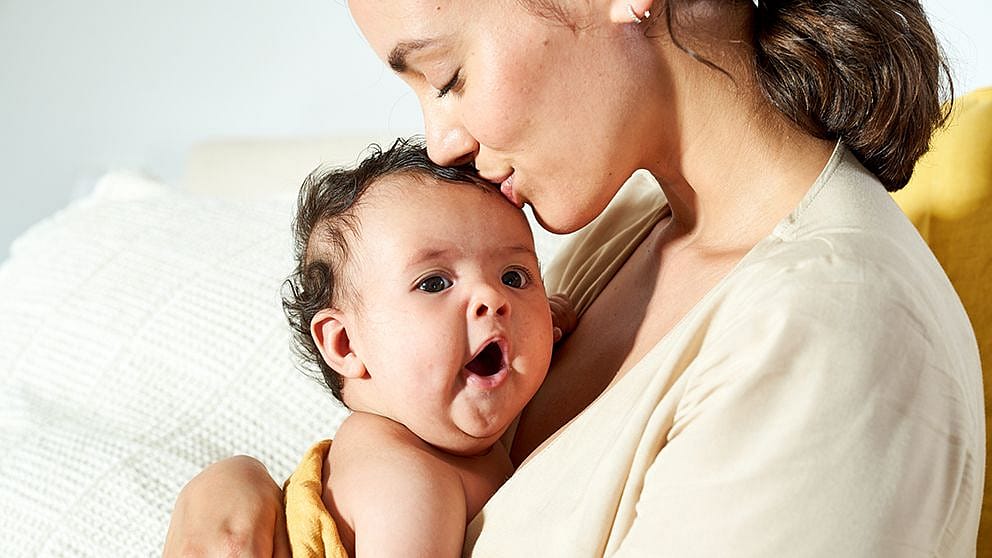
The skin is our largest organ and has millions of receptors that react to touch. If the brain perceives gentle or gradual skin-to-skin contact, it releases the hormone oxytocin, among other things. Loving physical contact therefore goes hand-in-hand with the release of oxytocin, which creates a feeling of connectedness. Also known as the “cuddling hormone” oxytocin has a relaxing effect, alleviates anxiety, lowers blood pressure, reduces cortisol levels and strengthens the immune system. The resulting positive feelings strengthen the bond between children and their caregivers, fostering a close relationship.
Touch impacts a child’s development
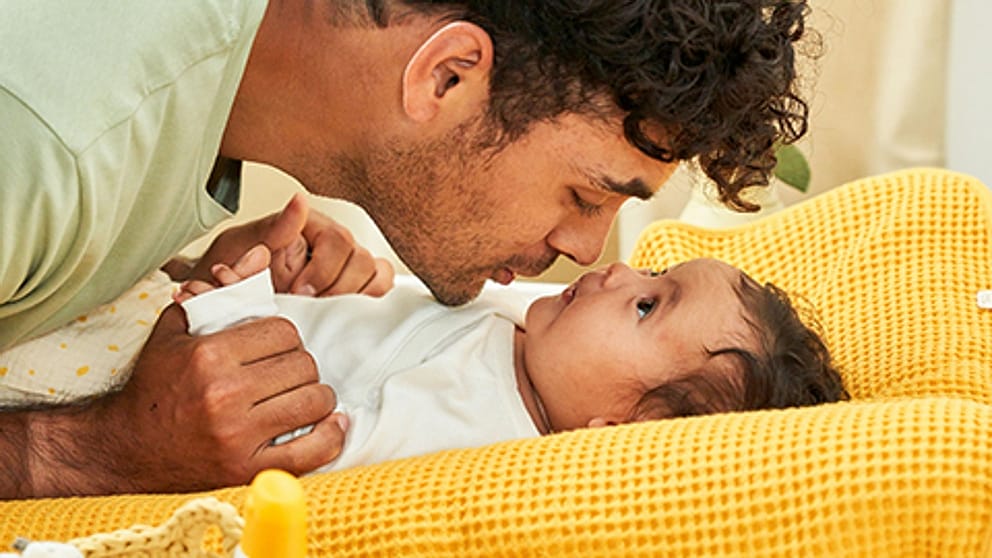
Experiencing different forms of physical contact and loving touch not only helps newborns to gain a sense of their body and to understand it better, but also stimulates their brain development and cognitive abilities. During nappy changing and body care, babies feel their caregiver’s touch on their skin. They sense whether the adult’s hands are warm or cold and whether they exert stronger or weaker pressure. Combining baby care with gentle massage offers small children the opportunity to become aware of and to expand their inner map of their body. Changing nappies, bathing and baby massage not only benefit body and soul, but also become a comprehensive learning experience for the baby.